This article is based on a blog post by the German gravure cylinder manufacturer 4 Packaging and draws on its key arguments regarding sustainability in gravure printing. Gravure has long been regarded as one of the less sustainable printing technologies. This perception largely stems from earlier production methods that relied on materials and processes with a comparatively high environmental impact. However, this view is now outdated.
Over the past decade, gravure has undergone a fundamental transformation. Technological advances in cylinder reuse, material recovery, modern engraving techniques, and chrome alternatives have significantly improved the sustainability profile of the process. Today, gravure aligns far more closely with the principles of circular economy and resource efficiency than its reputation suggests.
For companies evaluating printing technologies through a sustainability lens, it is therefore worth taking a more differentiated look at the current state of development.
Why Gravure Has Been Seen as Unsustainable
Concerns about the sustainability of gravure are historically rooted and not without justification. For many years, the industry relied on processes such as Chrome VI and the continuous production of new steel bases for gravure cylinders. These practices contributed significantly to the perception that gravure generates more waste and poses greater environmental challenges than alternative printing methods.
These historical production practices have had a lasting impact on how gravure is perceived. Even today, many decision-makers still base their assessments on environmental standards from past decades rather than considering current technological advancements.
As a result, improvements already implemented across large parts of the industry are often underestimated—or overlooked entirely.
Reusable Cylinders as a Key Sustainability Factor
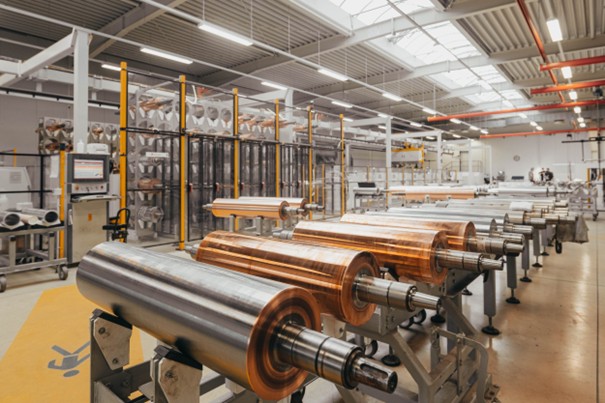
One of gravure’s most important sustainability advantages is the reusability of its cylinders. While image carriers in other printing processes often need to be reproduced frequently, gravure cylinders can be reused multiple times throughout their lifecycle.
The impact on resource efficiency is substantial. Reusing the same steel base significantly reduces the need for virgin raw materials while also lowering the volume of production waste. This creates a meaningful environmental benefit, particularly in high-volume applications or for recurring print designs.
For companies with regular print jobs, this also enables longer use of existing production assets and contributes to more efficient overall workflows.
Closed Material Loops Strengthen Circularity
Another key development is the establishment of closed material loops. Materials such as steel, copper, and Chrome III can now be recovered, recycled, and reintegrated into the production process.
This shifts the perspective on sustainability: it is not only about reducing resource consumption during printing, but about managing material flows across the entire system. When valuable raw materials are consistently kept in circulation, the environmental footprint of cylinder production is significantly reduced.
Closed-loop systems help minimize waste, reduce dependence on virgin materials, and improve overall process efficiency. In this sense, gravure is clearly moving toward a more circular production model.
Laser Engraving as a Driver of Efficiency
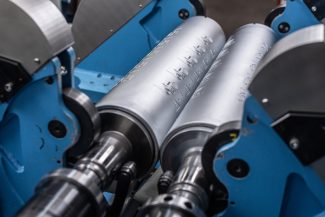
The introduction of laser engraving marks another important step in the sustainable evolution of gravure. It allows for far more precise control of ink transfer, enabling exact dosing of the applied ink.
The result is reduced ink consumption without compromising print quality. Especially in long production runs, even small efficiency gains can accumulate into significant environmental and economic benefits.
In addition to lowering material usage, increased precision also enhances process stability and further reduces waste in production.
Process Stability Reduces Waste
An often underestimated factor in sustainability assessments of printing technologies is process stability—and this is where gravure excels.
The process is known for its consistent, repeatable print quality, particularly in long runs. This stability minimizes variations in print output and reduces waste caused by rejects, rework, or production interruptions.
Fewer errors mean less material loss. Overall, the high level of process reliability in gravure makes a meaningful contribution to improving its environmental performance.
The Shift in Chrome Technologies
One of the most significant environmental advancements is the transition to safer chrome alternatives. Moving away from Chrome VI toward Chrome III and polymer-based coatings significantly reduces both environmental impact and health risks.
This shift goes beyond a purely technical upgrade. It reflects a broader structural transformation within the industry, which is increasingly aligning with stricter environmental regulations and higher sustainability standards.
As adoption continues to grow, these alternatives will play an even greater role in shaping the future of cylinder production.
The Perception Challenge
Despite these advances, a gap remains between technological reality and market perception. Many buyers, converters, and brand owners continue to evaluate gravure based on outdated assumptions.
This perception gap has real consequences. Sustainability decisions are influenced not only by technical facts, but also by reputation and established narratives. When gravure is viewed solely through the lens of its past, its current strengths are easily overlooked.
This makes it all the more important to foster a more nuanced, fact-based, and up-to-date discussion about the true sustainability performance of the technology.
Gravure in a More Sustainable Production Landscape
Like any industrial technology, gravure still has areas where continuous improvement is necessary. However, the blanket characterization of gravure as “unsustainable” no longer reflects reality.
Through reusable cylinders, closed material loops, more precise engraving technologies, reduced production waste, and safer materials, gravure has evolved significantly. In many respects, it already meets the requirements of modern, resource-efficient manufacturing.
Particularly for applications involving high volumes, repeat jobs, and demanding quality standards, gravure can be part of a highly efficient and increasingly circular production system.
Conclusion
The notion that gravure is inherently unsustainable remains one of the most persistent myths in the printing industry.
While earlier production methods contributed to this reputation, technological developments in recent years paint a far more nuanced picture. Modern gravure processes offer tangible progress across key sustainability dimensions—from material reuse and recycling to improved efficiency in ink and resource consumption.
As innovation continues, gravure is increasingly demonstrating its ability to contribute to a more efficient, circular, and environmentally responsible future for print production.